
The aluminum can beverage market has seen significant growth in recent years. Driven by factors such as sustainability, consumer preferences for convenient packaging, and the rise of craft beverages, aluminum cans have become the go-to choice for many beverage companies. If you’re looking to enter this vibrant market, standing out from the competition and managing production efficiently are key to success. In this blog, we’ll explore the growth of the aluminum can beverage market, how to set your brand apart, finding the right co-packer, and choosing the right depalletizer for your production needs.
The Growth of the Aluminum Can Beverage Market
The aluminum can beverage market has expanded rapidly due to several compelling factors:
- Sustainability: Aluminum is infinitely recyclable, making it a top choice for eco-conscious consumers and companies aiming to reduce their environmental footprint.
- Consumer Preferences: The convenience and portability of cans make them a favorite among consumers, especially for on-the-go lifestyles.
- Craft Beverages: The craft beer and beverage sector has embraced aluminum cans for their ability to protect flavor and provide a blank canvas for creative labeling.
- Innovation: Advances in can design and technology have allowed for greater variety in can shapes and sizes, catering to different consumer needs and preferences.

Setting Your Brand Apart
In a crowded market, differentiation is crucial. Here are some strategies to make your aluminum can beverage brand stand out:
- Unique Branding: Invest in eye-catching design and branding that tells your story. Your can is not just a container; it’s a billboard for your brand.
- Quality Ingredients: Consumers are increasingly interested in what goes into their beverages. Highlight your use of high-quality, natural, or organic ingredients.
- Sustainability Initiatives: Showcase your commitment to sustainability. This can include using recycled materials, eco-friendly production practices, and participating in recycling programs.
- Innovative Flavors: Experiment with unique and interesting flavors that set your product apart from the usual offerings.
- Engaging Marketing: Use social media, influencer partnerships, and engaging content to build a strong connection with your audience.

Finding a Co-Packer
A co-packer can help you scale your production without the need for significant capital investment. Here’s how to find the right one:
- Research and Referrals: Start by researching online and asking for referrals from industry contacts. Look for co-packers with experience in your specific type of beverage.
- Facility Tours: Visit potential copackers to see their facilities and ensure they meet your quality standards and have the capacity for your production needs.
- Capabilities and Services: Ensure the copacker can handle all aspects of your production, including canning, labeling, and packaging. Also, check if they offer additional services like formulation assistance and supply chain management.
- Quality Control: Assess their quality control processes to ensure they can consistently deliver high-quality products.
- Contracts and Costs: Review contracts carefully and understand all costs involved, including minimum order quantities, production fees, and any additional charges.

Choosing the Right Depalletizer
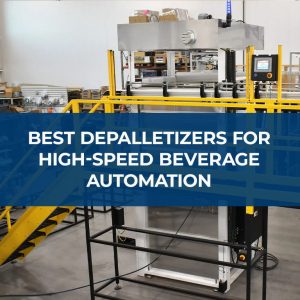
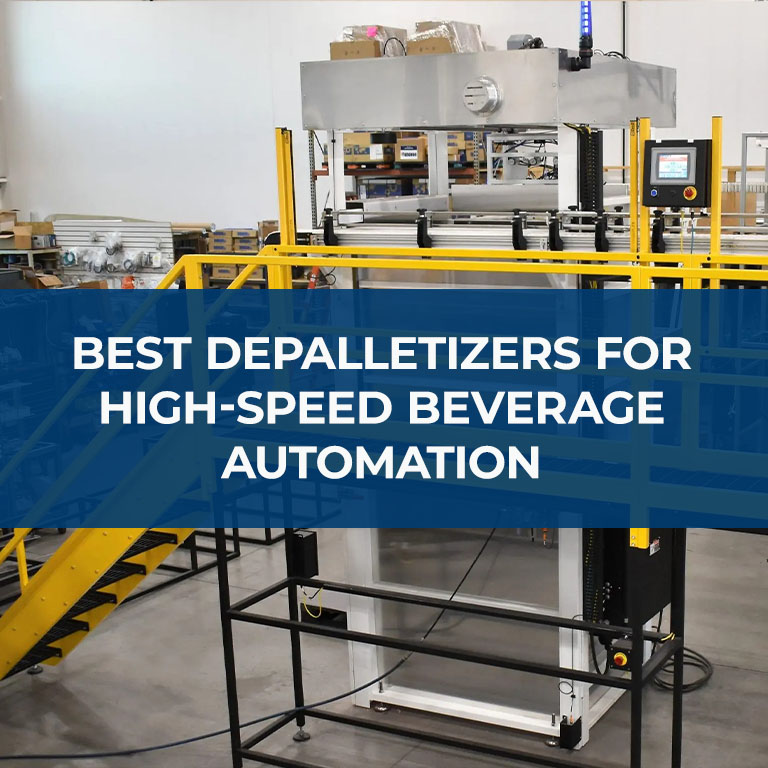
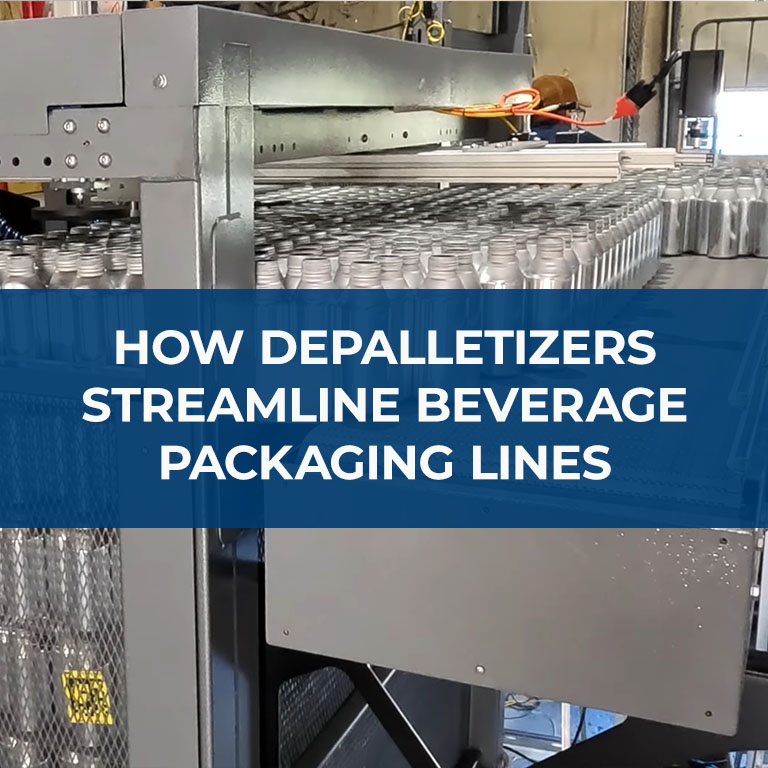
If you decide to bring production in-house, or if you are a co-packer who is looking to add to their current lineup of machines and capabilities, investing in the right equipment is essential. A depalletizer is a critical piece of machinery in your production line, responsible for unloading pallets of empty cans. Here’s how to choose the right one:
- Production Volume: Consider your current and projected production volume. Depalletizers come in various capacities, so choose one that can handle your needs without frequent downtime.
- Automation Level: Decide between manual, semi-automatic, and fully automatic depalletizers. Fully automatic models offer the highest efficiency but come at a higher cost.
- Space and Layout: Ensure the depalletizer fits within your production space and integrates smoothly with your existing equipment.
- Flexibility: Look for a depalletizer that can handle different can sizes and pallet configurations, allowing for flexibility in your production.
- Manufacturer Reputation: Choose a reputable manufacturer known for reliable and durable equipment. Check reviews, ask for references, and consider the availability of after-sales support and spare parts.
- Cost: While budget is a significant consideration, focus on the overall value rather than just the initial cost. An investment in a quality machine can save money in the long run through increased efficiency and reduced downtime.
The aluminum can beverage market presents exciting opportunities for new and existing brands. By focusing on unique branding, high-quality ingredients, sustainability, and innovative marketing, you can set your brand apart in this competitive landscape. Whether partnering with a co-packer or bringing production in-house, making informed decisions about your production process will help you scale efficiently and maintain high-quality standards.