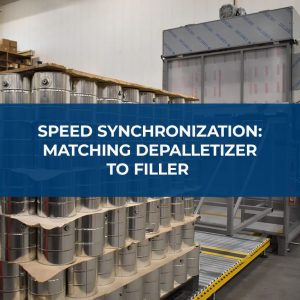
Imagine a depalletizer running at 40 containers per minute, feeding a filler rated for 30 containers per minute. Within minutes, buffers overflow, product accumulates between machines, and operators scramble to clear congestion. The filler never reaches full capacity, and throughput targets slip with every shift.
Speed mismatches often originate during initial equipment specification, line expansion or product changeovers. However, the solution is not as simple as comparing nameplate ratings. Real-world synchronization depends on container type, product characteristics, line configuration and how your controls communicate.
The Cost of Depalletizer-Filler Speed Mismatches
Mismatched depalletizer and filler speeds create two distinct failure modes. When the depalletizer runs too fast, buffers overflow, and containers pile up between machines. Product risks damage, and the line stops to clear congestion. When the depalletizer runs too slowly, the filler starves, and idle time accumulates while expensive filling equipment sits unused.
This speed mismatch is costing you money. ABB’s 2023 research found that unplanned industrial downtime typically costs $125,000 per hour. When your depalletizer and filler run out of sync, you are not just dealing with inconvenience — you are facing line stops, damaged containers and expensive equipment operating below capacity.
The slowest machine sets the pace for the entire line, and one speed gap upstream compounds into measurable lost throughput across every shift.
Signs Your Packaging Line Is Out of Sync
Several operational signals indicate a mismatch:
- Buffer buildup between machines: Containers accumulate visibly at the handoff point, especially during product changeovers or when running multiple SKUs.
- Recurring line stops at transitions: The line stops repeatedly where the depalletizer feeds the filler rather than at random points.
- Manual flow management by operators: Staff members regularly reposition containers or manually manage flow to prevent congestion or keep the filler supplied.
- Equipment running below rated capacity: Production teams deliberately slow down machinery to avoid overwhelming downstream equipment.
Identifying these warning signs early can help reduce packaging line bottlenecks before they affect throughput.
Why Speed Synchronization Improves More Than Throughput
Synchronization affects nearly every aspect of packaging line performance. Matched equipment speeds deliver benefits across five operational dimensions:
- Throughput and capacity: Matched speeds significantly reduce idle time and congestion, allowing the line to run at its designed capacity.
- Product quality: Containers do not sit in buffers, so temperature-sensitive products maintain proper conditions and fragile containers experience less handling damage.
- Optimized labor: Operators focus on running the line rather than manually managing overflow and clearing jams.
- Return on investment: Equipment investment can deliver stronger returns when systems run smoothly from end to end. A high-speed depalletizer selection rated for 200 containers per minute delivers limited value if downstream equipment can absorb 150 containers per minute.
- Uptime reliability: Synchronized systems have fewer handoff failure points and recover faster after planned stops.
Research published in a packaging efficiency improvement study demonstrated that systematic efficiency optimization achieved a 29% overall equipment effectiveness improvement. Speed synchronization is an important strategy for packaging line throughput optimization.
What Makes Depalletizer-Filler Integration Complex
Matching production speeds requires more than comparing nameplate ratings. Depalletizer-filler integration depends on multiple technical variables:
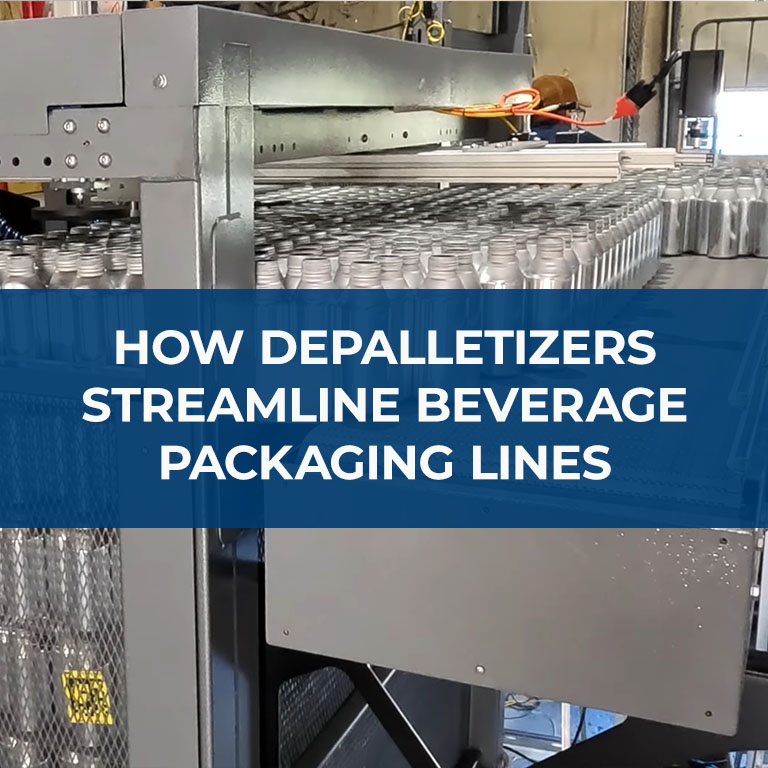
- Container type: Glass, plastic and aluminum containers behave differently during sweep and transfer operations, affecting safe handling speed.
- Line configuration: Straight runs, angled transfers and elevation changes all affect flow dynamics and actual throughput.
- Filler type: Volumetric and weight-based fillers have different operating speeds, so nameplate speed rarely equals production speed.
- Product characteristics: Viscosity and density determine actual fill time and set the filler’s operating speed under real conditions.
- Changeover requirements: Pallet pattern changes and filler nozzle changes both affect daily throughput and should be accounted for during specification.
Different container materials require different handling speeds. Controls and sensors must communicate in real time to maintain synchronization under production conditions.

3 Solutions for Matching Equipment Speeds
The right approach depends on line configuration, product mix and whether the operation involves a retrofit or new build. Many lines combine controls upgrades, thoughtful specification and custom engineering. Matching equipment speeds in a packaging line requires more than selecting machines with similar nameplate ratings.
1. VFD Controls and Real-Time Speed Adjustment
Variable frequency drives (VFDs) can offer a cost-effective upgrade path for existing lines without requiring full equipment replacement.
- Automatic feed rate adjustment: VFDs on the depalletizer respond to filler demand signals, adjusting speed based on downstream needs at any given moment.
- Smart accumulation integration: Accumulation systems work alongside VFDs to absorb minor fluctuations before they become stoppages.
- Implementation considerations: Retrofit requires calibration under live production conditions and operator training on new controls and troubleshooting procedures.
2. Equipment Specification and Capacity Planning
Specification planning addresses synchronization at the design stage for new builds or major upgrades. Nameplate speed is not the same as operating speed under real conditions.
- Actual vs. rated capacity: Account for the difference between nameplate specifications and real-world performance under typical production conditions.
- Changeover impact: Pallet pattern changes and nozzle changes both affect daily throughput and should be included in capacity planning.
- Integration point design: Design proper handoff points into the system from the start.
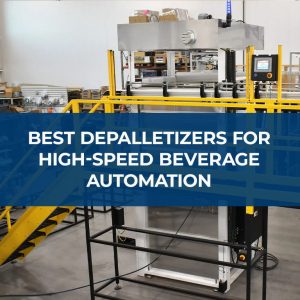
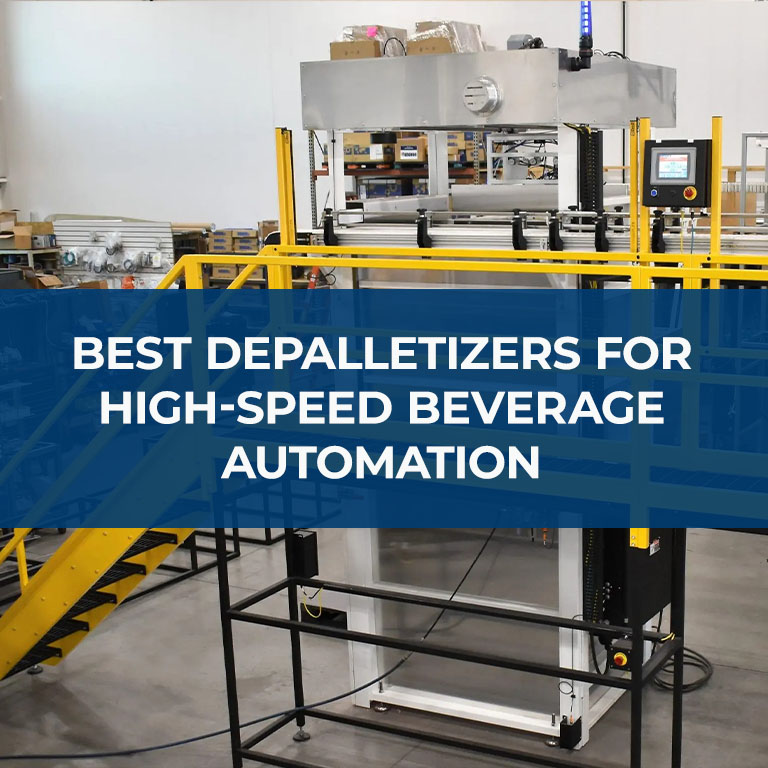
Can-I-Bus (CIB) depalletizers offer tiered speed capacities matched to filler requirements. The CIB Can Depalletizer lineup includes Base models up to 150 containers per minute, Mid models up to 250 containers per minute, and High models up to 400 containers per minute. The high-speed HHA 5000 depalletizer handles half-height pallets of empty glass, plastic, or metal containers.
3. Custom Engineering and System Integration
Custom engineering offers a more tailored approach to synchronization. An integrated front-of-line system can support beverage, food, beer, consumer packaged goods, and co-packing applications.
- Engineering-stage synchronization: Synchronization is built into the system from the engineering stage, with every component designed to work together from the start.
- Integrated conveyance and controls: Conveyance systems bridge speed differences while custom controls allow multiple pieces of equipment to communicate in real time.
- Application-specific design: Engineering accounts for specific product mix, container types and speed headroom for future growth.
- Material construction options: Equipment is constructed using stainless steel and powder-treated mild steel based on application requirements.

Optimize Your Packaging Line With Ska Fabricating
Ska Fab designs and manufactures depalletizers, conveyance and accumulation equipment engineered to synchronize with your filler from the start — not adjusted after installation.
Whether you are diagnosing an existing speed mismatch or specifying a new line for future growth, Ska Fab builds front-of-line systems that match real-world throughput requirements. Our team provides custom engineering and technical support to ensure your depalletizer, conveyance and filler work together at the speeds your production demands.
Contact Ska Fab to discuss your line configuration, production targets and throughput goals.