
SKA Fab’s Top 5 Packaging Priorities Shaping Production Lines in 2025
As 2025 draws to a close, manufacturers in food, beverage, and CPG are facing a familiar challenge: consumer demand is more varied, production timelines are tighter, and efficiency is critical. At Ska Fab, we’ve observed several priorities shaping production lines this year—priorities that are redefining how manufacturers think about automation, flexibility, and modernization.
Here’s a closer look at the top five:
1. Automation Beyond the Depalletizer
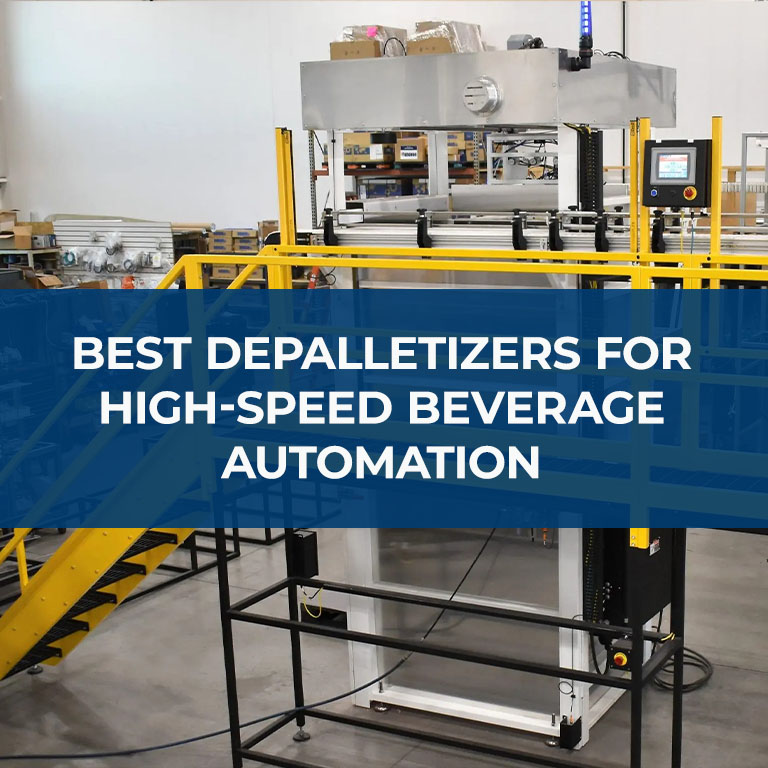
Depalletizers have long been the entry point for automation. But increasingly, manufacturers are realizing that speeding up the depal alone only highlights other bottlenecks. Pallet handling, chain-driven infeed systems, and downstream material flow suddenly become the next logical steps.
This year, the “domino effect” of automation is clear: install a depalletizer, see immediate efficiency gains, then identify the manual steps slowing the rest of the line. Additional automation isn’t just about faster production—it improves consistency, reduces strain on employees, and enables production lines to scale without adding labor.
Why it matters: Manufacturers who take a holistic view of automation can gain more predictable output, lower error rates, and a production line that grows with demand.

2. Managing Many SKUs of the Same Product
It’s no longer enough to run a single product efficiently. Whether it’s spices, sauces, spirits, or syrups, brands are offering more variations than ever—multiple SKUs per product line is very common.
The challenge isn’t just packaging—it’s switching between formats, labels, and fill sizes without slowing the line or introducing errors. Flexible production lines have become a necessity, enabling manufacturers to pivot between SKUs seamlessly. This capability allows brands to test new flavors, sizes, or seasonal products without the costs and downtime that rigid lines create.
Why it matters: The ability to handle multiple SKUs efficiently directly impacts speed-to-market, consumer satisfaction, and overall competitiveness.

3. Expanding Aluminum Beverage Options
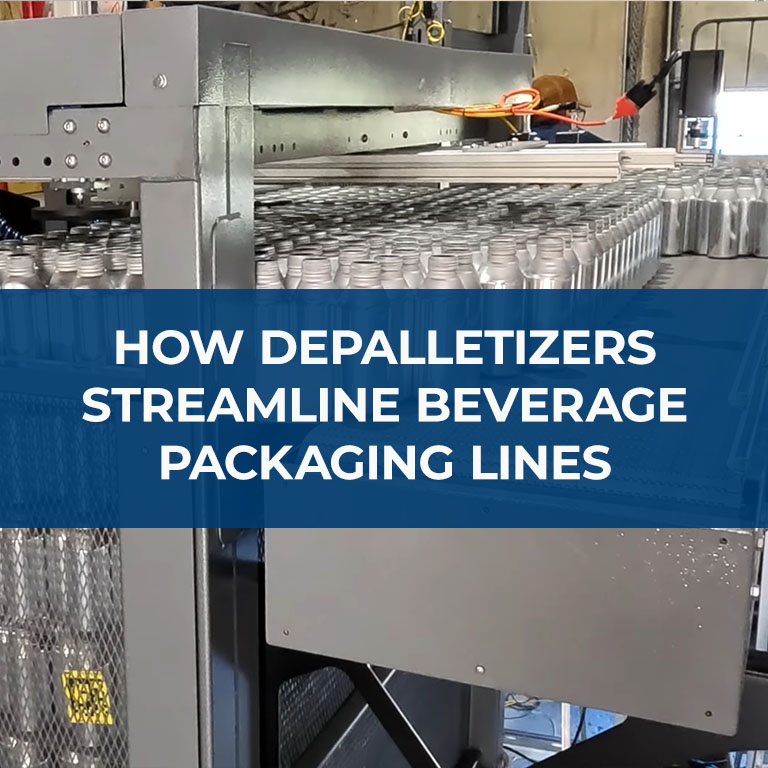
Aluminum continues to dominate beverage packaging, but the formats are diversifying. Sleek bottles, traditional cans, and oversized 19.2 oz options are all in demand. The challenge for manufacturers is twofold: accommodate a wider variety of package sizes, and do so without compromising speed or consistency.
Flexible aluminum lines allow brands to respond quickly to emerging trends, limited editions, or promotional packaging. They also reduce the pressure on operators, who no longer need to spend a long time when adjusting equipment for each format change.
Why it matters: Speed and flexibility in aluminum beverage packaging are no longer operational niceties—they are strategic advantages that can directly impact a brand’s ability to respond to consumer demand.

4. Replacing Legacy Equipment
Legacy machines often “work,” but they carry hidden costs: frequent adjustments, unpredictable downtime, and maintenance-intensive components. Manufacturers are increasingly evaluating the true cost of these systems, considering not just throughput but also labor, maintenance, and operational risk.
Updating equipment can offer predictability, reliability, and easier maintenance. For operators, it’s less about flashy tech and more about creating a line that runs smoothly and consistently, day in and day out. Teams spend less time troubleshooting and more time focusing on production quality.
Why it matters: Investing in modern equipment is an investment in operational consistency, reduced downtime, and long-term efficiency—benefits that legacy systems simply struggle to match.

5. Moving Beyond Hand Unloading
Manual unloading slows lines, introduces variability, and can strain teams physically. Automation in unloading addresses all of these issues. By ensuring consistent material flow, reducing repetitive strain, and improving safety, automated systems enhance operational reliability.
But the benefits go beyond efficiency. Teams are freed from repetitive tasks, allowing them to focus on more skilled work or quality assurance, which can improve overall line performance and job satisfaction.
Why it matters: Automated unloading isn’t just about faster throughput—it creates a safer, more predictable, and more sustainable production environment.
Looking Ahead to 2026

These priorities highlight a clear shift: production lines continue to move toward flexibility, predictability, and smarter automation. Manufacturers who adopt these approaches are not just optimizing for efficiency—they’re building resilience, reducing operational risk, and positioning themselves to respond quickly to changing market demands.
In 2026 and beyond, we think that these priorities will continue: automation that extends beyond a single machine, lines built for SKU diversity, and equipment that supports both people and performance. At SKA Fab, we’re excited to help production teams take these lessons from priority observation to operational reality.
Trust Ska Fabricating for Your Packaging Solutions
Ska Fabricating manufactures automated solutions for the packaging industry.
Our experienced team of engineering and support experts set the standard across industries such as beverage, consumer packaged goods, and beyond. Learn more about our packaging equipment on our website, or contact us to request more information today.