When it comes to food production, co-packers play a crucial role in bringing products from concept to reality. A co packer, short for contract packager, is a company that provides manufacturing and packaging services for food and beverage brands. These companies specialize in producing goods according to the specifications provided by the brand owner, offering expertise, equipment, and facilities to streamline the production process.
Co-packers often operate on a large scale, equipped with state-of-the-art machinery and facilities to handle various stages of production. From sourcing raw materials to packaging finished products, co-packers ensure efficiency and quality throughout the manufacturing process. This allows brand owners to focus on other aspects of their business, such as marketing and distribution, while entrusting the production process to experienced professionals.
Utilizing Different Containers in Co-Packing
In the co packing process, various types of containers are used to package food products. Glass, plastic, and metal containers each offer unique advantages depending on the product’s requirements. For example, spices may be packaged in glass jars to preserve freshness and enhance visual appeal, while sauces and condiments might be packaged in plastic bottles for convenience and ease of use. Canned goods, such as soups and vegetables, are often packaged in metal containers to ensure shelf stability and product integrity.
The Role of Depalletizers in Co-Packing
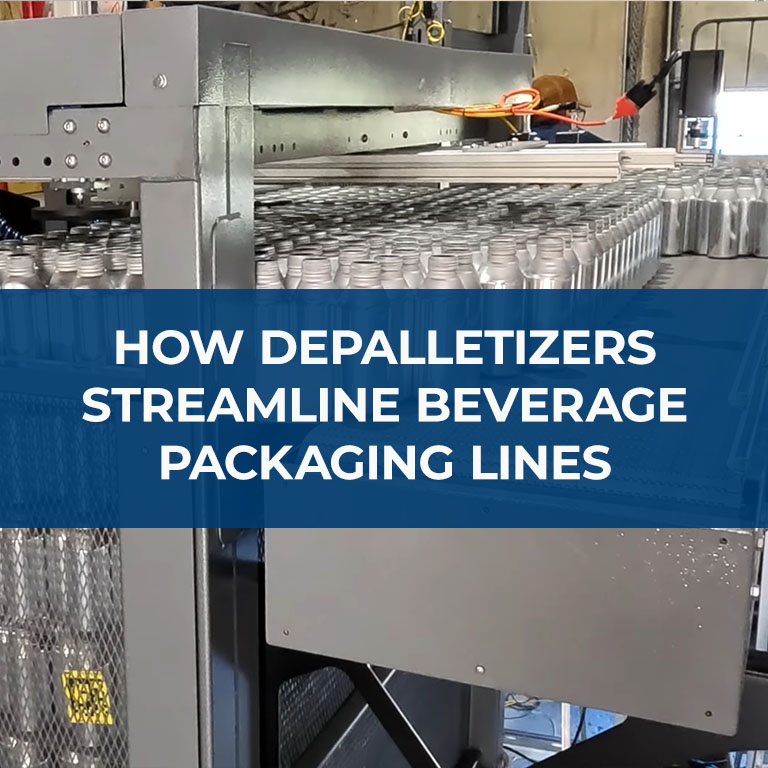
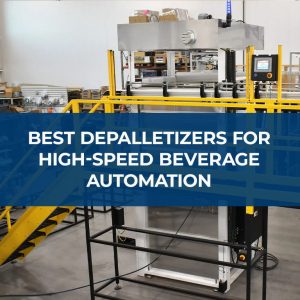
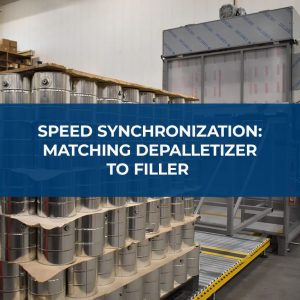
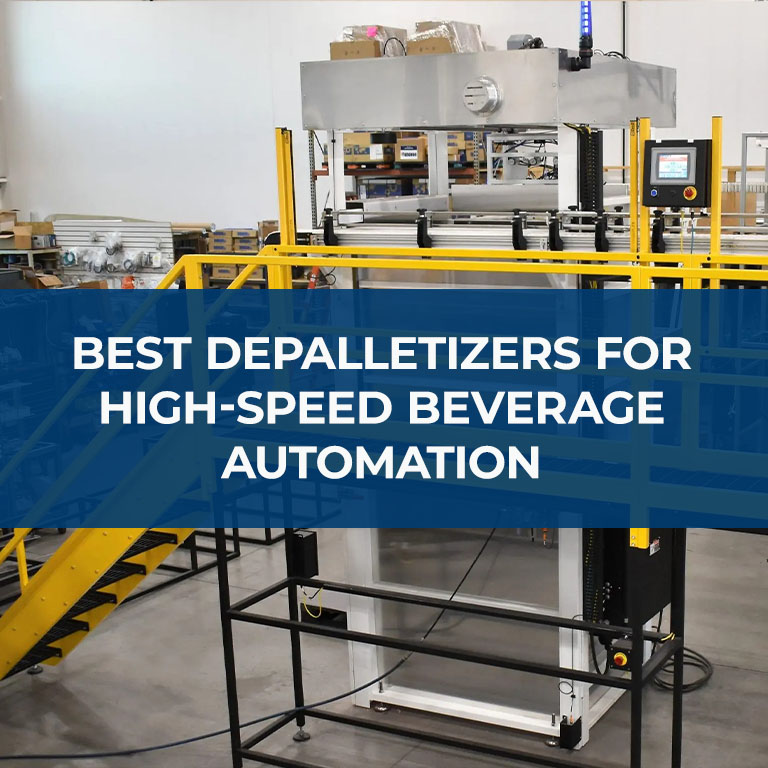
One of the key challenges faced by copackers is optimizing efficiency while maintaining product quality and safety standards. This is where depalletizers come into play. A depalletizer is a machine used to automate the unloading of containers of all sizes from pallets, facilitating the handling of large volumes of products with minimal manual labor.
Streamlining Production Processes
For co-packers, utilizing a depalletizer offers several advantages. Depalletizers can help streamline the production process, reducing downtime and increasing throughput. By automating the unloading of containers of varying size and shape, depalletizers eliminate the need for manual labor, allowing copackers to allocate resources more efficiently and focus on value-added tasks.
Enhancing Safety and Empowering Employees
Depalletizers play a crucial role in enhancing safety within the production environment. By automating the unloading process, depalletizers drastically reduce the need for manual intervention, thereby minimizing the potential hazards and creating a safer workplace for employees.
Moreover, the adoption of depalletizers not only enhances safety but also empowers workers by freeing them from repetitive and physically demanding tasks. Employees who were previously tasked with manual unloading can now be reassigned to more fulfilling roles within the company. This shift not only improves morale but also allows workers to contribute their skills and expertise to areas of the business where they can make a more significant impact. As a result, depalletizers not only improve safety but also contribute to a more engaged and productive workforce.
Ensuring Consistency and Accuracy
Depalletizers can help to ensure consistency and accuracy in packaging operations. By precisely handling containers made of glass, plastic, or metal, depalletizers help maintain product quality and integrity, reducing the risk of damage or contamination during handling.
Co-packers play a vital role in the food production industry, offering expertise and resources to bring products to market efficiently. By utilizing depalletizers, co-packers can optimize efficiency, enhance safety, and maintain product quality throughout the manufacturing process. As the demand for contract packaging services continues to grow, depalletizers are becoming an indispensable tool for co-packers looking to streamline operations and meet the needs of their clients effectively.