
Video Transcript:
The company was formed in 1962 and primarily was just a spice repacking company. So they would just take spices in and repack them into packages for use in food service, institutional. And then as they progressed, I got into blending of spices and packaging of that. And then all, and it was just kind of a natural progression to expand into doing salsas. Because we had a lot of our spice customers asking for those kind of things.
So, um, 20 years ago it seemed like a fast time, but as you know, we were only hand packing some spices and hand pouring some syrups. And literally had a couple of kettles that weren’t even turned on. And you know, today now we have fully automated lines for acidified and high acid salsas and sauces and things like that. And of course, fully automated production lines for our flavors and syrups and drink concentrates and things like that.
And then we’re up to blending and packing about 7 million pounds of spices a year. So fully automated line there you know, run upward to 100 plus bottles a minute depending on the size on that spice line. So a lot of automation, a lot of capability. And I think what sets us apart is our culture. You know, there’s for some reason there seem to be a lot of secrecy in this business, and we’re not that way.
You know, we have this saying that we want to be the manufacturer and extension of our customers. They have free rein to come in here, watch what we’re doing, you know, to make sure we’re adhering to their standards. And you know, we don’t want them worried about manufacturing. We want them obviously out there selling. And the more they sell, the more we make. And that’s a great partnership. And we’ve been extremely happy through the whole transaction.
I mean, the equipment, you know, arrived. We had plenty of FaceTimes and conversations and all of that. PO Scott, sitting down their technical support with Jared—great, great guy. And you know, got it all put together, got our people trained. And you know, like any piece of new equipment, there’s going to be hiccups and there’s going to be learning and challenges and all of that. And you know, Scott’s just been a phone call away. And that’s what we want from a partner somebody who’ll pick up that phone, get us through whatever issue we’re having, and just keep moving forward.
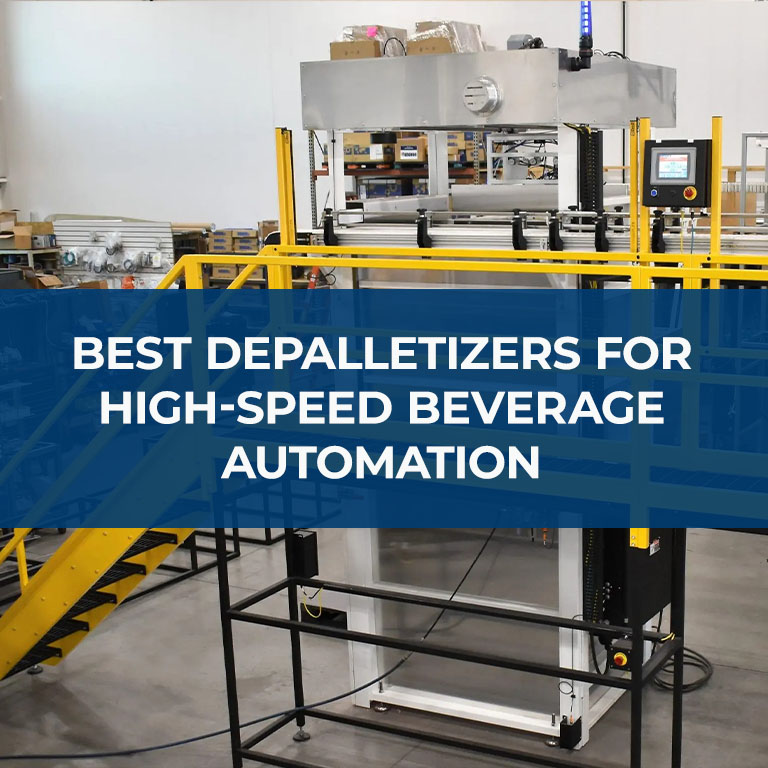
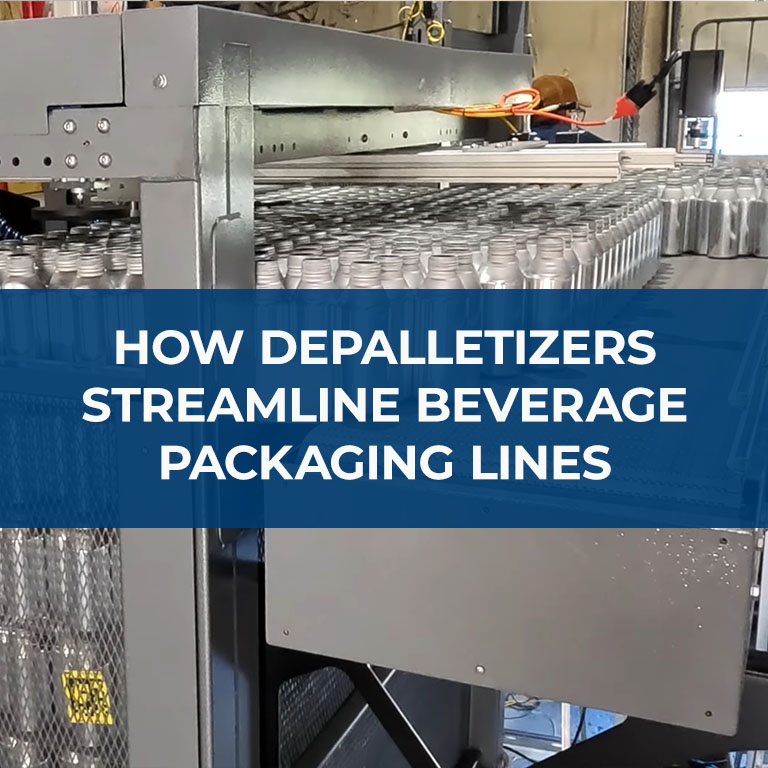
So it’s just keeping that constant pressure of glass, you know, there at the filler. So yeah, increased production. We don’t have to have two or three people at the front of the line unloading boxes, and those people can have other tasks to do. And um, I think the longer the machine stays in here and the more comfortable everybody gets with it, and not having to sit there and kind of feel like they need to sort of hover around it, um, it’s only going to improve those things. So they’ll continue to figure out ways of making it go a little better, quicker, get more comfortable with it.
I mean, when we first talked about that machine, showed a picture of this or this I mean, the fear in the eyes of our employees was there. But when that first bottle came out of that, went through the depal, went through that old rinser and everything, and got put on our line, our people just spontaneously started clapping. Yeah, yeah. It was like they couldn’t believe it. Again, they’re all they’re, you know, they’re at—I can tell they’re happy. They’re smiling out there, and they don’t have to be dealing with it. And um, again, it’s plenty fast too.
So we’re, you know, we have it’s going to allow us to expand as well. We can feel comfortable that we want to upgrade our filler. You know, it’s going to be able to keep up with it, and that’s important.