Growth Isn’t Always Linear: Lessons from Second Lines, Second Locations, and Outdated Equipment

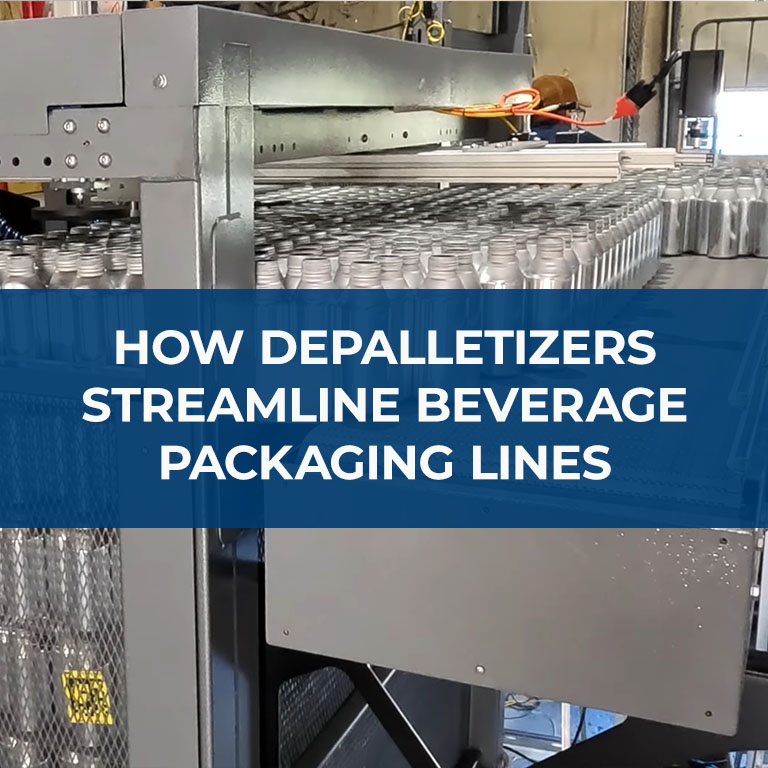
Depalletizer for a production line, highlighting the benefits of automation for scaling operations and upgrading outdated equipment.

How to Scale Your Manufacturing Operation: Second Lines, Locations & Equipment Upgrades

Growth in manufacturing rarely follows a clean, linear path. More often, it’s a series of pressure points—signs that what once worked well is starting to limit what’s possible.

At some point, teams begin asking the bigger questions:
Do we need to add a second line?
Are we outgrowing our facility?
Is this old equipment holding us back?

These moments tend to sneak up gradually—and then all at once. After working with hundreds of packaging operations over the years, we’ve seen how common this inflection point is, and how important it is to approach it with both urgency and perspective.

The Second Line: Pressure Relief, or Strategic Shift?

Adding a second line is one of the most direct responses to sustained growth. But it’s not just about volume—it’s often about reclaiming flexibility.

We’ve worked with teams who were stuck in a pattern of “either/or”—either run the legacy SKU or the new one. Either run plastic or glass. Either meet today’s order or prepare for tomorrow’s. A second line can turn that into a “yes, and.”

That said, doubling equipment doesn’t mean doubling efficiency. The real gains come from designing that second line with the learnings from the first—avoiding the same bottlenecks, designing for cleaner handoffs, and thinking ahead to where your SKUs or formats might go next.

Glass bottle on depalletizer

Second Locations: The Complexity Behind Expansion

Opening a second facility changes the equation entirely. The goal might be proximity to a new market, diversifying your risk, or simply creating space for growth—but the complexity multiplies.

We’ve seen teams approach second sites with the idea of copy/paste: take what worked, put it somewhere else. But terrain, team, utilities, and even pace can be different. What makes a second site succeed is usually not the replication, but the adaptation. The operations leaders who navigate this well aren’t afraid to challenge past assumptions—and they build in support early, not as a fix later.

Paint cans on a depalletizer

Replacing Outdated Equipment: The Unseen Cost of “Still Working”

It’s easy to let outdated equipment stay in service longer than it should. We all get attached to what’s familiar, and it’s easy to defer replacement when “it’s still running.”

But the real cost shows up in different ways:

  • The team that loses hours on workarounds


  • The product that gets held up downstream


  • The opportunity you miss because throughput is capped


In many cases, the breaking point isn’t a breakdown—it’s when leadership realizes the drag isn’t just technical.  Holding onto outdated tools can quietly reinforce the idea that “this is as far as we’re going.”

What Growth Actually Looks Like

In manufacturing, growth doesn’t always mean bigger. Sometimes it means clearer. Sharper. More intentional.

Whether it’s a second line, a second facility, or a long-overdue upgrade, the throughline is the same: making decisions today that respect where you’ve come from, but don’t limit where you’re headed.

Trust Ska Fabricating for Your Packaging Solutions

Ska Fabricating manufactures automated solutions for the packaging industry.

Our experienced team of engineering and support experts set the standard across industries such as beverage, consumer packaged goods, and beyond. Learn more about our packaging equipment on our website, or contact us to request more information today.

Related Post

More articles you might like